Makes 4 servings of 3 pancakes each (serving a crowd?)

- 1 cup milk
- 1½ cups water
- 1 packet dried yeast
- 3½ cups unbleached flour (a little under 1lb)
- 1 teaspoon salt
- 1 teaspoon sugar
- 2 eggs, beaten
- at least 2½ Tablespoons butter for topping
Special equipment
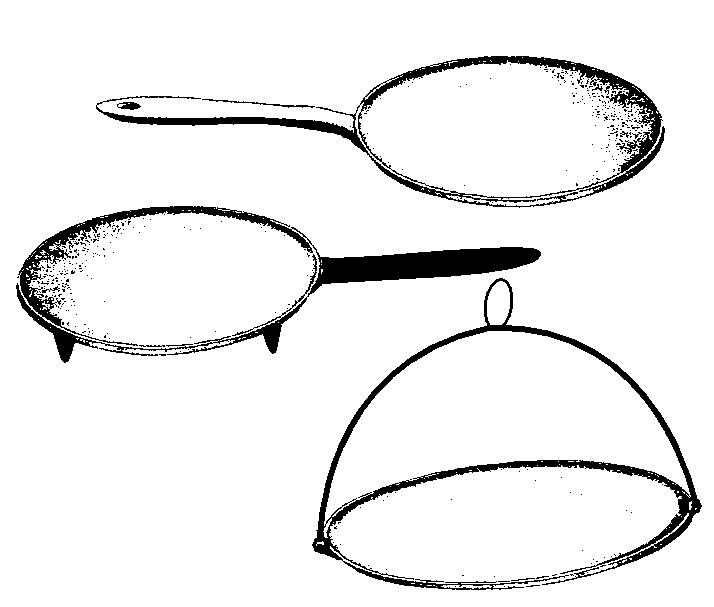
- a planc would be nice
Method
- Warm the milk and water in a broad shallow bowl. Dissolve in the yeast. Stir together the flour, salt and sugar. Make a well in the center and pour in the yeast mixture and the beaten eggs. Beat briskly with a whisk until smooth. Leave it in a warm place for an hour, or a cool place for a few hours if you want to delay the cooking until later.
Whisk down the batter. Lightly oil and heat your planc, griddle, or large frying pan. Pour ladlefuls (about ½ cup of batter) onto the surface and cook over medium heat. Flip when holes form and the surface loses its glaze. Serve stacked with melted butter. Makes about 12 six-inch pancakes.
Notes
- Pikelets are the Midlands version of Welsh Bara pyglyd ‘pitchy bread’: simple yeast pancakes, very similar to the dish called crempog (buckwheat pancakes, known as krampoch over in Less Britain), except using wheat flour and omitting the butter from the batter. The Anglicised version of the dish usually lacks the eggs. In other words,
flat crumpets. David’s recipe, on which this is based, is exactly that: watered-down crumpet batter, baked flat on the griddle without the confining ring. See also her discussion of the size of the cakes.The planc is a basic Welsh cooking utensil: a round, flat baking iron for cooking oatcakes and other griddle breads. Some had tripod feet for placing over the fire, others arched handles for hanging above the fire, and some had a mere loop handle for placing over the coals: a rimless frying pan. Oakden Forge, which specializes in modern replicas of these baking implements explains that the different designs are because of the different hearth fuels in various locations. In the immigrant Welsh populations of the U.S., they've now been widely replaced by the electric frypan, alas.↩
Suggestions
- Instead of butter, you could load the pikelets with blueberry/whinberry/blaeberry sauce. Grigson has the perfect recipe (which also makes a magnificent ice cream topping). Mix together ¼ cup confectioners sugar, 2 Tablespoons cornstarch, ⅔ cup water, ¼ teaspoon each ground nutmeg and cinnamon in a heavy saucepan until smooth. Then add 1lb blueberries and the zest and juice of ½ lemon and stir over medium heat until the sauce has cleared and thickened. Serve hot or cold. If you use early season berries, you will probably need to triple the sugar.